Ethical Practices in the Apparel and Textile Industry
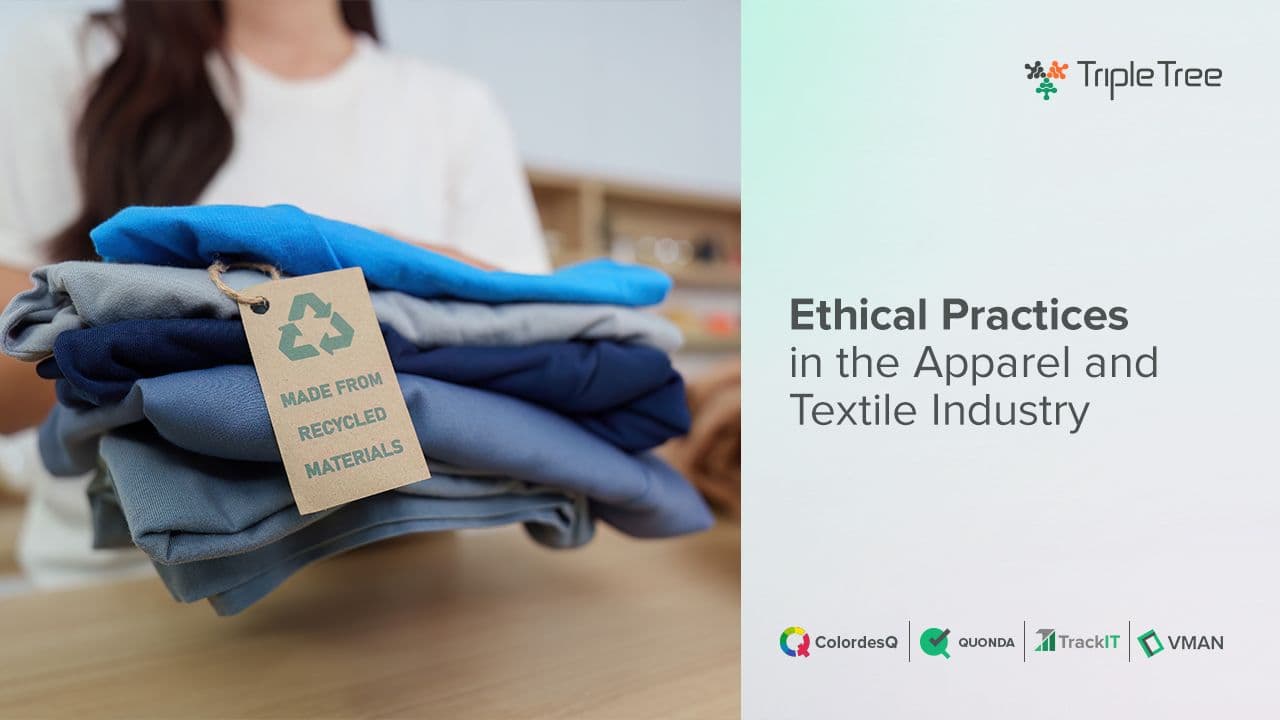
By the end of 2024, the global apparel market grew to be valued at 1.79 trillion US dollars. However, this large sector of the global economy is known for its excessive waste, and ethical concerns ranging from unfair labor practices to environmental degradation. As consumers and regulatory bodies alike become more conscientious, the textile industry is under increasing pressure to adopt a more sustainable, and ethical approach to manufacturing. In this article, we delve into the importance of these ethical considerations and explore how innovative solutions like textile quality software and textile supply chain solutions are helping to contribute to a positive change within the industry.
Triple Tree Solutions
Published
January 22, 2024
Labor Practices
One of the primary ethical concerns in the textile and apparel industry revolves around labor practices. Historically, the industry has faced criticism for exploitative working conditions, child labor, and unfair wages. In recent years, however, there has been growing awareness and demand for fair labor practices from the international community, particularly in first world countries where many of these large brands reside.
Companies in the industry are now under scrutiny to ensure that their workforce is treated ethically. This involves paying fair wages and ensuring there are no health and safety violations in the factories. Many brands are taking it even further, mapping their supply chains down to not only the Tier 1 Suppliers, but the Tier 2 and Tier 3 suppliers that provide raw materials to the Tier 1 suppliers. There has been a push for vendors/manufacturers to become increasingly transparent, which in turn has allowed many of these ESG violations to decrease.
Secondly, many laws are also coming into effect revolving around ESG violations in third world manufacturing zones including the German Supply Chain Due Diligence Act, the French Corporate Duty of Vigilance Law, and the US Uyghur Forced Labor Prevention Act. These laws will make it mandatory for global apparel brands to more diligently regulate their supply chains, ensuring no ESG violations, including unfair or unethical labor practices occur where their products are being manufactured.
Textile Quality Software
As previously mentioned, the apparel and textile industry generates a large amount of waste: the industry is estimated to generate around 90 million tons of textile waste annually. Not all, but some of this waste is generated during the actual manufacturing process.
Textile quality software has emerged as a valuable tool to help uphold standards, ensure that products meet predefined quality criteria, and reduce waste. Quality-based software solutions enable apparel brands to monitor and control the quality of their textiles at every stage of production.
By utilizing textile quality software, companies can streamline their quality control processes, identify defects early in the production cycle, and ultimately minimize waste. This not only improves the overall quality of the final product, but also contributes to sustainability by reducing the environmental impact associated with faulty production.
Want to optimize textile quality in your supply chain?
Contact Sales and get introduced to QUONDA today
Environmental Sustainability
Environmental issues, when it comes to textile production, range from water pollution to excessive use of resources. Many companies have understood this, and as a result are increasingly adopting eco-friendly production methods, utilizing recycled or more sustainable materials, and minimizing waste as much as possible.
Many apparel brands now place greater emphasis on sustainability, and ethical production especially when it comes to their manufacturing zones, which often are in developing countries. As previously mentioned, many laws and regulations like the German Supply Chain Due Diligence Act, include sections on environmental sustainability.
Textile Supply Chain Solutions
A significant challenge in ensuring ethical practices is the complexity of the textile and apparel supply chain. This is where technology comes in to help bridge the gap. Textile supply chain solutions are instrumental in providing transparency and greater control throughout the entire production process. These solutions leverage technology to monitor and optimize workflow, leading to greater visibility by the brand, which can then ensure that ethical standards are being met.
By integrating textile supply chain solutions, companies can gain real-time insights into their supply chain, identify potential areas for improvement, and make informed decisions to enhance sustainability. This technology not only fosters transparency but also helps in minimizing the environmental footprint by reducing unnecessary transportation and optimizing resource utilization.
Fair Trade
Consumers today are increasingly inclined to support brands that prioritize fair trade practices. Ethical certifications, such as Fair Trade, have gained prominence as indicators of a company’s commitment to ethical labor practices and environmental sustainability. Textile companies are actively seeking these certifications to build trust with consumers and differentiate themselves in a competitive market.
Corporate Social Responsibility (CSR)
Ethical practices in the textile industry extend beyond production processes. Corporate Social Responsibility (CSR) is a broader framework that encompasses a company’s commitment to making a positive impact on society. Many textile and apparel companies are now actively engaging in CSR initiatives, supporting local communities, and investing in social welfare programs.
Future of the Industry
The textile and apparel industry stands at a crossroads where ethical considerations are no longer just a choice but are quickly becoming a necessity. Embracing ethical practices, particularly when it comes to the supply chain, is now considered a strategic move to meet the expectations of conscious consumers, but also to stay in compliance with regulations. Textile quality software and textile supply chain solutions play pivotal roles in this transformation by ensuring product quality, transparency, and sustainability.
As the industry continues to evolve, the integration of innovative technologies and ethical considerations will be crucial in shaping a future where fashion and sustainability coexist. Companies that prioritize ethical practices are not only contributing to a greener planet but are also positioning themselves as leaders in a responsible and conscientious industry.
Ready to make your supply chain more ethical?
Contact us now and explore Triple Tree's digital supply chain solutions.
TRENDING NOW
Community Favorites

Industry Events
What to Expect at PI Apparel’s Fashion Technology Show NYC 2026

Triple Tree Solutions
Jul 15, 2026

QUALITY
The Complete Guide to Textile & Apparel Quality Inspection
Triple Tree Solutions
Jul 2, 2026
QUALITY
The Complete Guide to Textile & Apparel Quality Inspection
Triple Tree Solutions
Jul 2, 2026
PRODUCTION
From Yarn to Shipment: How TrackIT Optimizes Textile Workflow
Triple Tree Solutions
Jun 16, 2026